About the Lab & Team

Meet the lab

About the Lab

Based at the School of Optometry, Université de Montréal, the Martiniello Braille Research Lab is unique in Canada and one of the few research labs internationally with a dedicated focus on advancing braille learning and non-visual accessibility beyond childhood. Research focuses on advancing braille learning and literacy in adulthood (including for older adults with age-related changes), accessibility and access technologies for non-visual access to information, and social inclusion and participation for people who are blind or who have low vision. Follow the links above to learn more about these research areas.

Non-visual access to information includes:

  • braille (the official tactile reading and writing system consisting of raised dots, used by generations of blind, deafblind and low vision people globally);

  • audio-based technologies and text-to-speech software; and

  • Tools and applications that convey information through tactile literacy, tactile graphics and haptics

These access methods are available through traditional assistive devices and, increasingly, on mainstream and emerging technologies—including smartphones, tablets, apps and smart glasses—that incorporate universal design and artificial intelligence.

Blindness and low vision rehabilitation refers to services that provide instruction in braille, access technologies and related skills that empower adults who are blind or who have low vision, whether from birth or later in life, to pursue their personal, educational and employment related goals.

Worldwide, an estimated 43 million people are blind and 295 million have low vision. The number of people with acquired blindness or low vision continues to grow as populations age. Success in rehabilitation depends not only on effective strategies for learning alternative skills, but also external factors such as environmental accessibility, societal perceptions, access to information and resources. Research in the lab therefore considers not only the unique instructional needs of adults who learn braille and non-visual access methods, but also the broader environmental, cultural, economic, and policy factors that shape both opportunities and barriers to participation.

Research Approach

A cornerstone of the lab is the meaningful integration of first-hand perspectives in blindness and low vision research. Research about blind people often remains inaccessible to blind people. Misconceptions about braille and blindness can unintentionally shape the language we use, the questions we ask and where we search for solutions. Research in the lab centers the voices of people who are blind, deafblind or low vision not solely as end-users, but as experts, innovators, leaders, storytellers and contributors to knowledge creation. Individuals with learned and lived experience, including blind and sighted practitioners and policy-makers, collaborate together on research that addresses community priorities. Through applied, stakeholder driven research, braille literacy and non-visual accessibility are recognized as fundamental to equitable access to information and participation for people who are blind.

I supervise students in the Masters and Ph.D. in Vision Science program (blindness and low vision rehabilitation option) at the School of Optometry, Université de Montréal, and postdoctoral fellows with aligned research interests. Prospective students are welcome to contact me to start a conversation about potential supervision. You can also learn more about current student opportunities and read about lab members below.

Principal Investigator

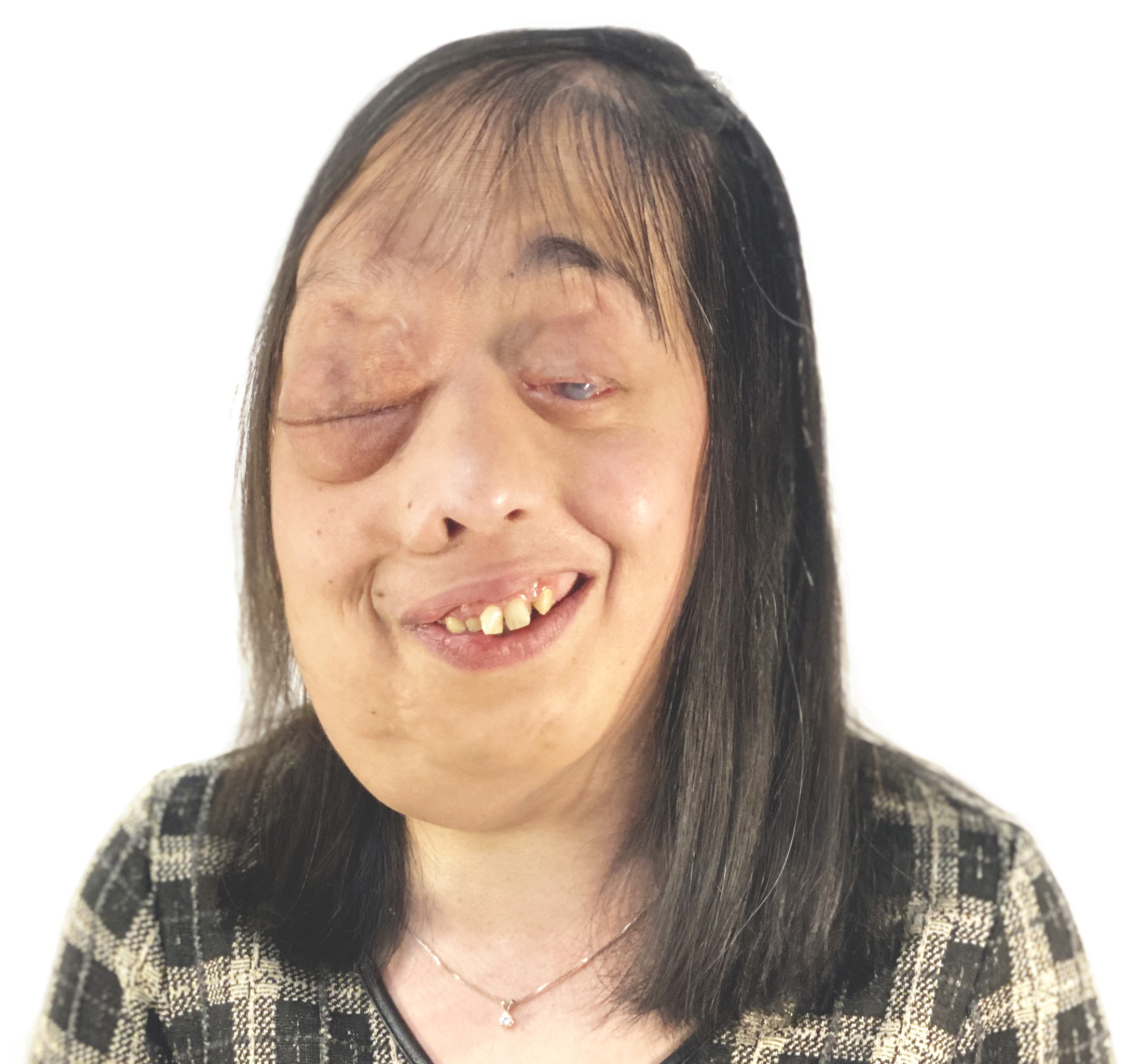
Photo of Natalina Martiniello

Natalina Martiniello, Ph.D., CVRT.

Assistant Professor, School of Optometry

Natalina (Natalie) Martiniello, Ph.D., CVRT, is an Assistant Professor in blindness and low vision rehabilitation at the School of Optometry at the Université de Montréal. She holds a B.A. in English and Educational Studies from McGill University and an M.Sc. and Ph.D. in Vision Science (rehabilitation and visual impairment) from the Université de Montréal, where her research focused on braille, adult learning and aging. She later completed a CIHR Health Systems Impact Postdoctoral Fellowship at Concordia University focusing on accessible learning for postsecondary students who are blind or who have low vision. As a Certified Vision Rehabilitation Therapist, she previously focused on teaching braille and non-visual access technologies to learners who are blind or low vision. She leads a research program centered on advancing adult braille learning and literacy, accessibility and inclusive participation for people who are blind or low vision, especially as this relates to non-visual access methods (braille, audio, tactile access), funded through the FRQ Chercheuses Boursières Research Scholar J1 career award.

As the first blind person to obtain a Ph.D. in Vision Science in Canada, she credits much of her journey to the positive experiences and blind role models she was fortunate to have early in life, and remains equally committed to the mentorship of future blind leaders. Some of her current roles include serving as the Chair of Research for the International Council on English Braille, the Assistant Director of the Vision, Access and Participation axis of the Vision Sciences Research Network, a Subject Matter Expert for the Academy for the Certification of Vision Rehabilitation and Educational Professionals (ACVREP), a Past-President of Braille Literacy Canada, a researcher affiliated with the Centre for Interdisciplinary Research in Rehabilitation of Greater Montreal, and a member of the Editorial board for the British Journal of Visual Impairment. She is accompanied by her fourth guide dog, a female black lab named Dunkin from the Seeing Eye®. Outside of research, she enjoys writing, spending time with family and traveling. Her most memorable trip was to Coupvray, France, where she visited the birthplace of Louis Braille, inventor of the braille system that she and millions of other blind people around the world use every day.

Lab Members

Elizabeth Mohler, Ph.D.

Postdoctoral Fellow

Elizabeth Mohler, PhD, is a critical qualitative researcher whose work examines disability, accessibility, care, and inclusion across health, education, and community settings. She recently completed a 4-year SSHRC funded PhD in Health and Rehabilitation Sciences at Western University. Using Critical Discourse Analysis, her doctoral research explored how policy and program texts shape the experiences, opportunities, and identities of disabled people through Ontario's Direct Funding Program. Elizabeth's research is informed by critical disability studies and is grounded in a commitment to understanding how institutional structures, policies, and everyday practices influence participation and belonging. Her current research interests include the experiences of blind and partially sighted students and researchers in academic library environments, with a particular focus on access to information, research participation, and knowledge production.

As a blind researcher, Elizabeth brings both scholarly and experiential knowledge to her work. Beyond her research, she is active in disability advocacy, accessibility education, and adapted sport, including triathlon and adaptive trampoline. Her work aims to advance more accessible, equitable, and inclusive environments across education, research, and community life.

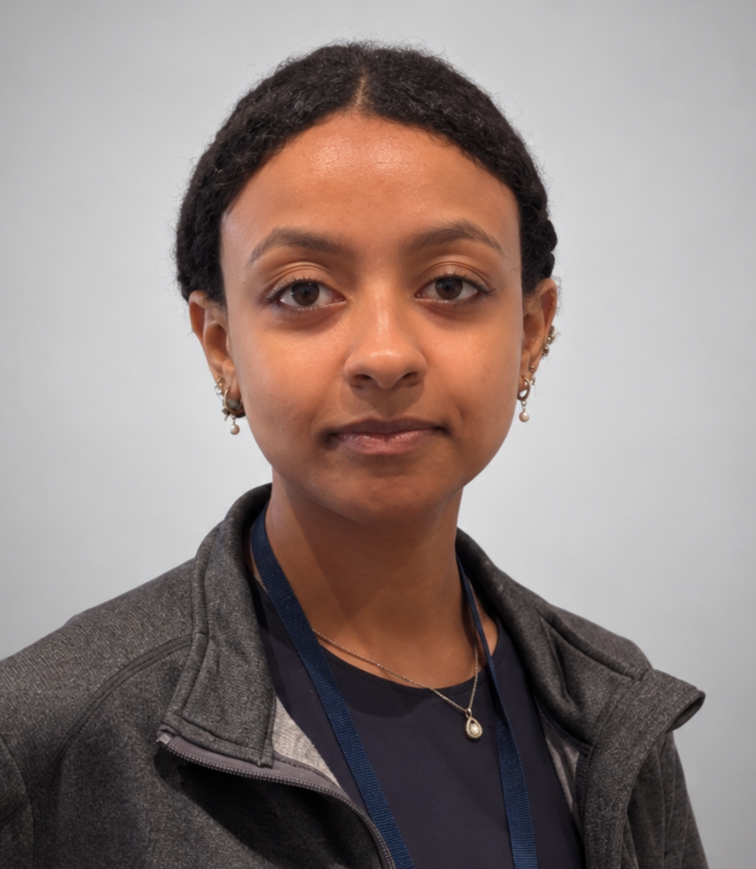
Photo of Razan Eltayeb

Razan Eltayeb, M.S.Ed., CATIS, CVRT

Ph.D. Student

Razan Eltayeb is a Ph.D. student in Vision Science (visual impairment and rehabilitation concentration) at the School of Optometry, Université de Montréal. Her research focuses on telerehabilitation and the gamification of remote Braille instruction, with broader interests in artificial intelligence, accessibility, Braille, and assistive technology. She brings both clinical and research experience as a Certified Assistive Technology Instructional Specialist (CATIS) and Certified Vision Rehabilitation Therapist (CVRT), with previous work in multilingual Braille instruction, including Arabic Braille, and accessible technology training. Razan holds an M.S.Ed. in Special Education, Visual Disabilities and a B.S. in Game and Instructional Design, which informs her interest in creating engaging, accessible learning experiences for research and practice. Outside of her academic work, she enjoys martial arts, video games, gardening, and nature walks.

Anthony Tibbs

Research and Technical Assistant

Anthony Tibbs is a Research Assistant in the Martiniello Braille Research Lab, where he provides technical and visual accessibility support across the lab's projects. Anthony has previously contributed to accessibility research through the Adaptech Research Network, which studied the use of technology by postsecondary students with disabilities. Anthony is closely connected with the blindness and low vision community, currently sits on the board of directors of Braille Literacy Canada, and is a member of the Project Leadership Committee and contributor to liblouis (a braille transcription library used by screen readers and braille notetakers). A software, web, and mobile app developer by profession, Anthony brings expertise in digital accessibility, and has developed various tools used in the lab's research projects (for generating research materials, collecting data, and analyzing results).

Mahboubeh Esmati, MD, MSc

Research Assistant

Mahboubeh Esmati, MD, MSc is a graduate of the master’s program in Visual Impairment and Rehabilitation (low vision concentration) at l’Université de Montréal. With a background in medicine and rehabilitation, her research interests include accessibility, visual impairment, inclusive healthcare, and improving services for people with disabilities. As a Research Assistant in the lab since 2025, she has collaborated on a number of research projects focusing on library and postsecondary accessibility, facilitators and barriers during conference participation, and the use of AI-based technologies among blind, deafblind and low vision users. She continues to contribute to projects, collaborating on literature reviews, data extraction, analysis and writing. She is particularly interested in research that promotes independence, inclusion, and meaningful participation for people with visual impairments and other disabilities.

Alumni

Master's

  • Jessica Rathwell, M.Sc. (2025)

    Jessica received her Master’s in Vision Rehabilitation (vision rehabilitation therapy option) from the Université de Montréal in 2025. Her master’s research explored the influence of braille display characteristics on braille reading performance in adulthood. During her summer term, she completed a research internship also in the lab, funded by the Habilitas Foundation, where she conducted literature research on the braille learning experiences of deafblind adults and assisted with a project comparing reading performance on single-line and multi-line braille displays. After completing her master’s, she returned to B.C. where she now works as a Client Care Navigator for Vision Loss Rehabilitation Canada. Beyond her work, Jessica enjoys singing in a choir, drinking good coffee, and spending time with her Seeing Eye® dog, Pablo.

Summer Research Interns

I would like to express my gratitude to the Habilitas Foundation for funding these research internship opportunities.

  • Amanda Ness, M.S.W. (2026 summer intern)

    Amanda Ness holds a Bachelor of Social Work from McGill University and a Master of Social Work from Toronto Metropolitan University. During her summer internship, she contributed to several research projects, including a literature review on the use and impact of smart glasses among people who are blind or have low vision; article screening for a scoping review on the accessibility of qualitative research for blind scholars; and the co-development of an interview guide exploring effective strategies for supporting DeafBlind adults who learn braille. She also began developing a database of disability and accessibility services at Canadian colleges and universities to support information sharing for future studies. Amanda is a lifelong braille reader who is passionate about braille literacy, accessibility and public education. She has contributed to various community projects over the years, including as a member of the Braille Literacy Canada Teaching and Learning Committee and as a summer camp mentor for the 2014 joint Braille Literacy Canada and CNIB “All Hands on Braille” summer camp.

  • Christopher Schiafone (2023–2024 summer intern)

    Christopher (Chris) Schiafone is a Graduate Student in the Department of Psychology and Centre for Vision Research at York University in Toronto, Ontario. He is working toward his Master’s Degree in Psychology with an emphasis in Brain, Behavior and Cognitive Science in addition to a Graduate Diploma in Neuroscience through the York University Centre For Integrative and Applied Neuroscience and Collaborative Specialization in Vision Science through the Centre For Vision Research. In 2023 and 2024, prior to beginning Graduate studies, Chris worked as a Research Intern under the co-supervision of Drs. Natalina Martiniello and Aaron Johnson, where he conducted an environmental scan of accessibility and universal design practices for students with disabilities among Canadian Universities. Additionally, he has co-presented with Martiniello on a number of presentations focusing on library accessibility and equal access to Scholarly materials for blind students and researchers, including tactile access and 3D models for STEM equity. Outside of research and academia, Chris enjoys reading, attending concerts and spending time with his family, friends and guide dog Leora, a Female Yellow Lab.

  • Geneviève Hart, M.S.W. (2022 summer intern)

    Geneviève Hart holds a Bachelor of Social Work and a Master of Social Work from Carleton University. During her undergraduate studies, she completed a summer research internship co-supervised by Drs. Walter Wittich and Natalina Martiniello, contributing to research on disability, accessibility, vision loss, and inclusive practices. She later spent two years with Public Services and Procurement Canada, supporting accessibility research, policy development, and initiatives to improve accessibility across the federal public service. Geneviève currently works as an Intake Counsellor with Homewood Health, where she connects individuals with mental health and wellness services. She is passionate about disability inclusion, accessibility, mental health, and advancing equitable access to services.